Tag: Logged In
-

The Financial Side of Falling Sick (Part 2): How to Build Health Insurance That Truly Protects You
Health insurance decisions often begin with clearing basic misconceptions and understanding the role insurance plays over the long-term. Having the right health insurance is not just a financial decision it is a form of long-term risk management as well. In our previous blog, we had addressed these foundational aspects. Once those fundamentals are in place,…
-
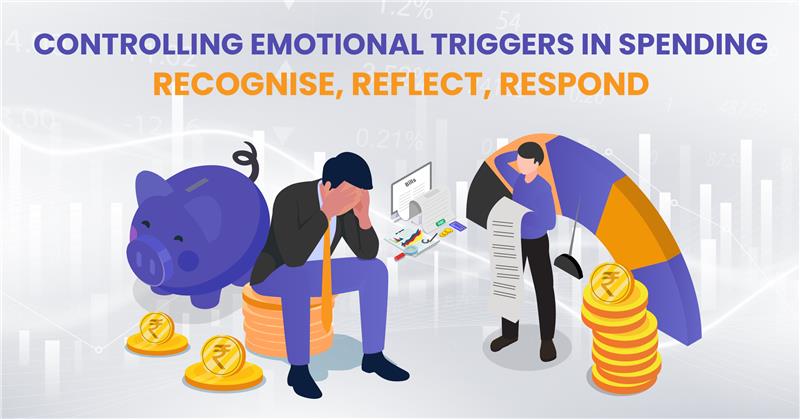
Controlling Emotional Triggers in Spending : Recognise, Reflect, Respond
Introduction Do you often buy things to make yourself feel better, even if you do not really need them? You are not alone. Emotional spending has become very common these days; especially with the ease of online shopping and the availability of digital wallets, it is easy to fall into the trap of emotionally triggered…
-

Building a Smart Investment Portfolio: The Core-Satellite Model
Introduction When it comes to building a sound financial future, selecting the right investment mix is essential. While both balanced and diversified portfolios are often used interchangeably, they are different in their approach towards investment risk management. In this article, we’ll explore the core-satellite model that can structure your investments effectively, incorporating conviction-based and goal-based…
-
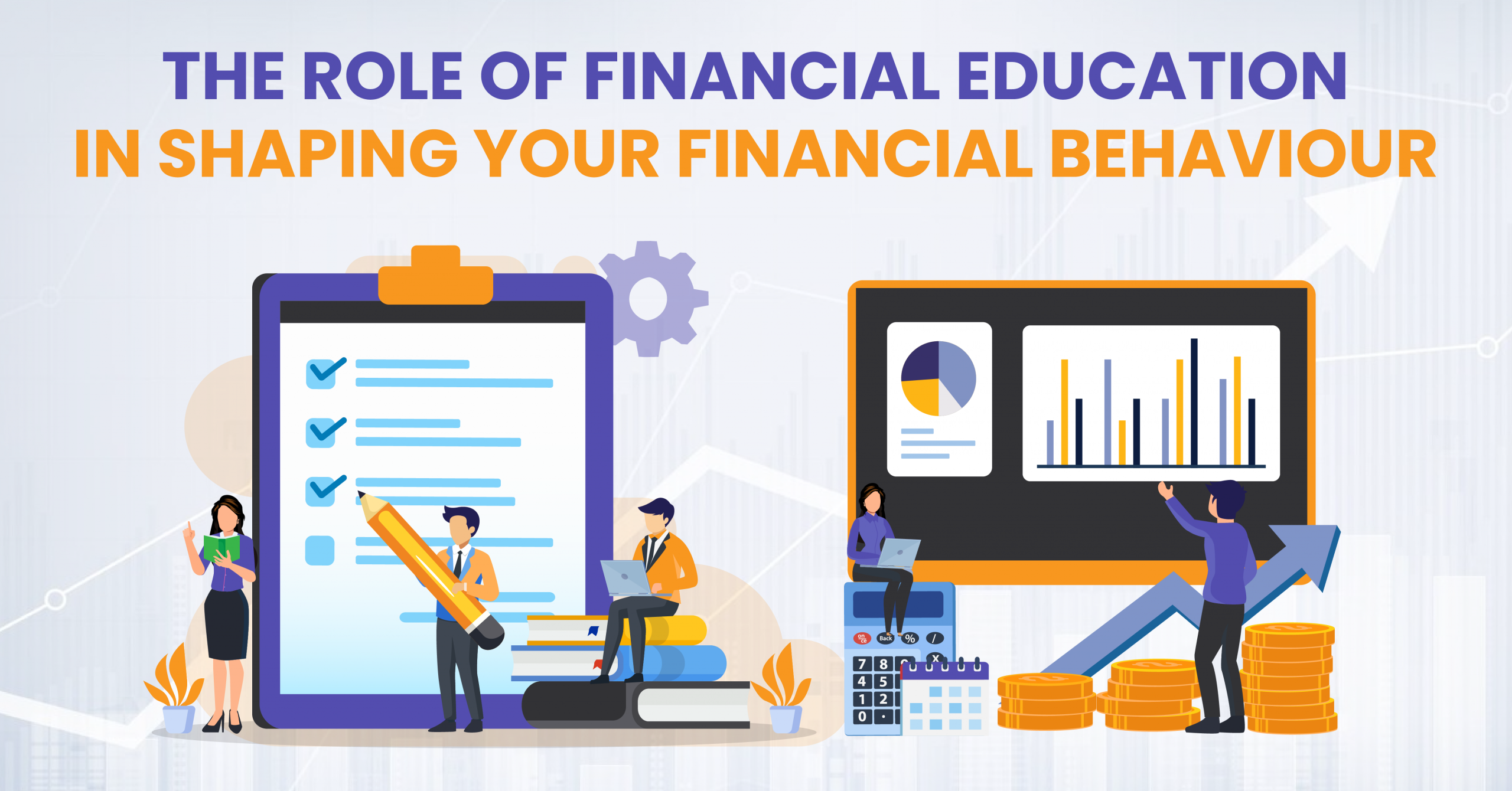
The Role of Financial Education in Shaping Your Financial Behaviour
I. Introduction Financial decisions are deeply influenced by our financial behaviours which are shaped by habits, emotions and personal experiences. While these patterns often operate subconsciously, the good thing is that financial behaviour is not static—It can be reshaped and improved. This is where financial education plays a transformative role. With the abundance of financial…
-
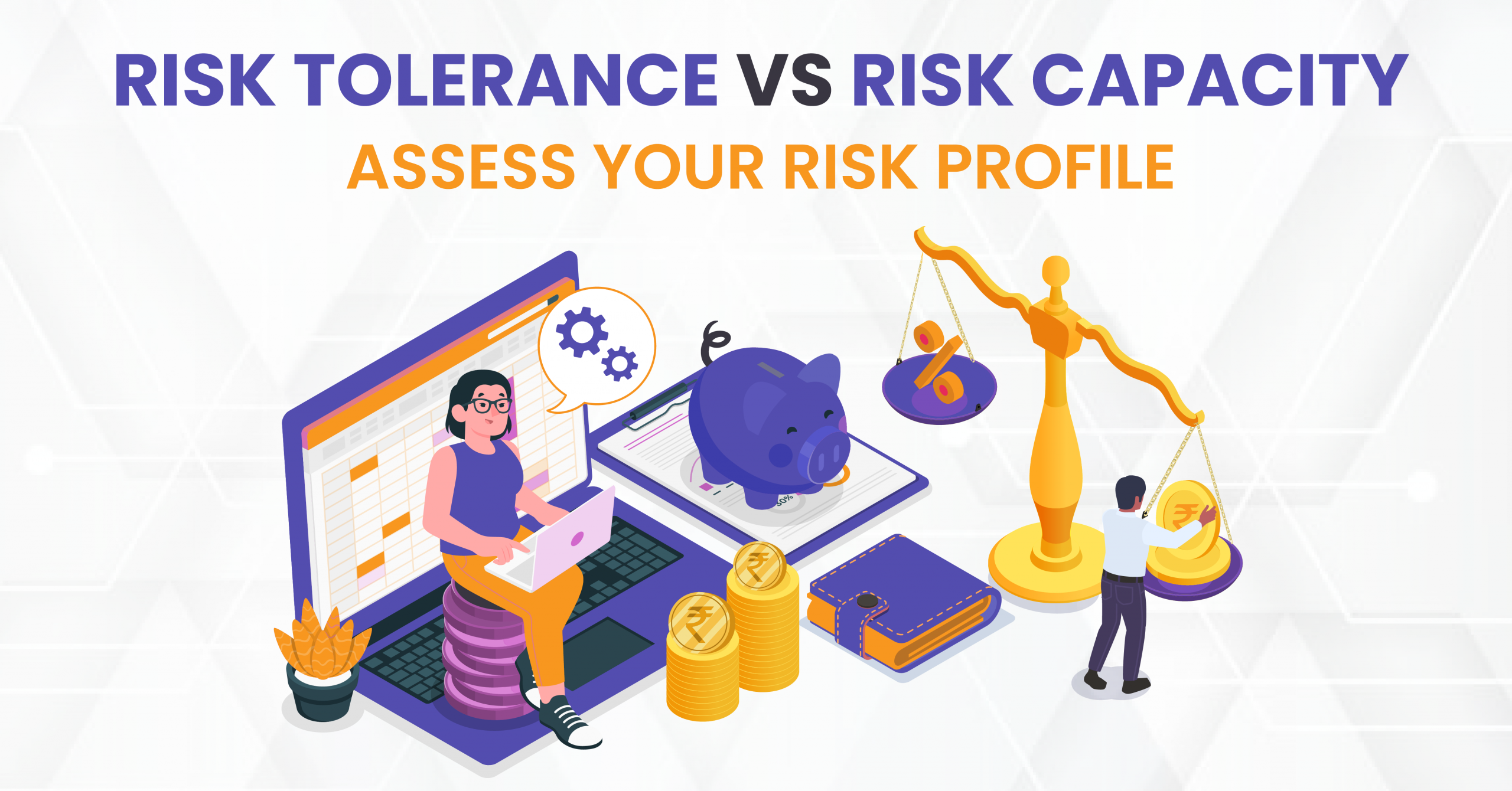
Risk Tolerance vs Risk Capacity – Assess Your Risk Profile
I. Introduction Have you ever questioned whether your financial goals align with your ability to take risks? Or whether you are overcautious when you could, in fact, afford to aim higher? Answering these questions begins with understanding the often confused but fundamentally different two concepts: risk tolerance and risk capacity. Let us delve into this…
-
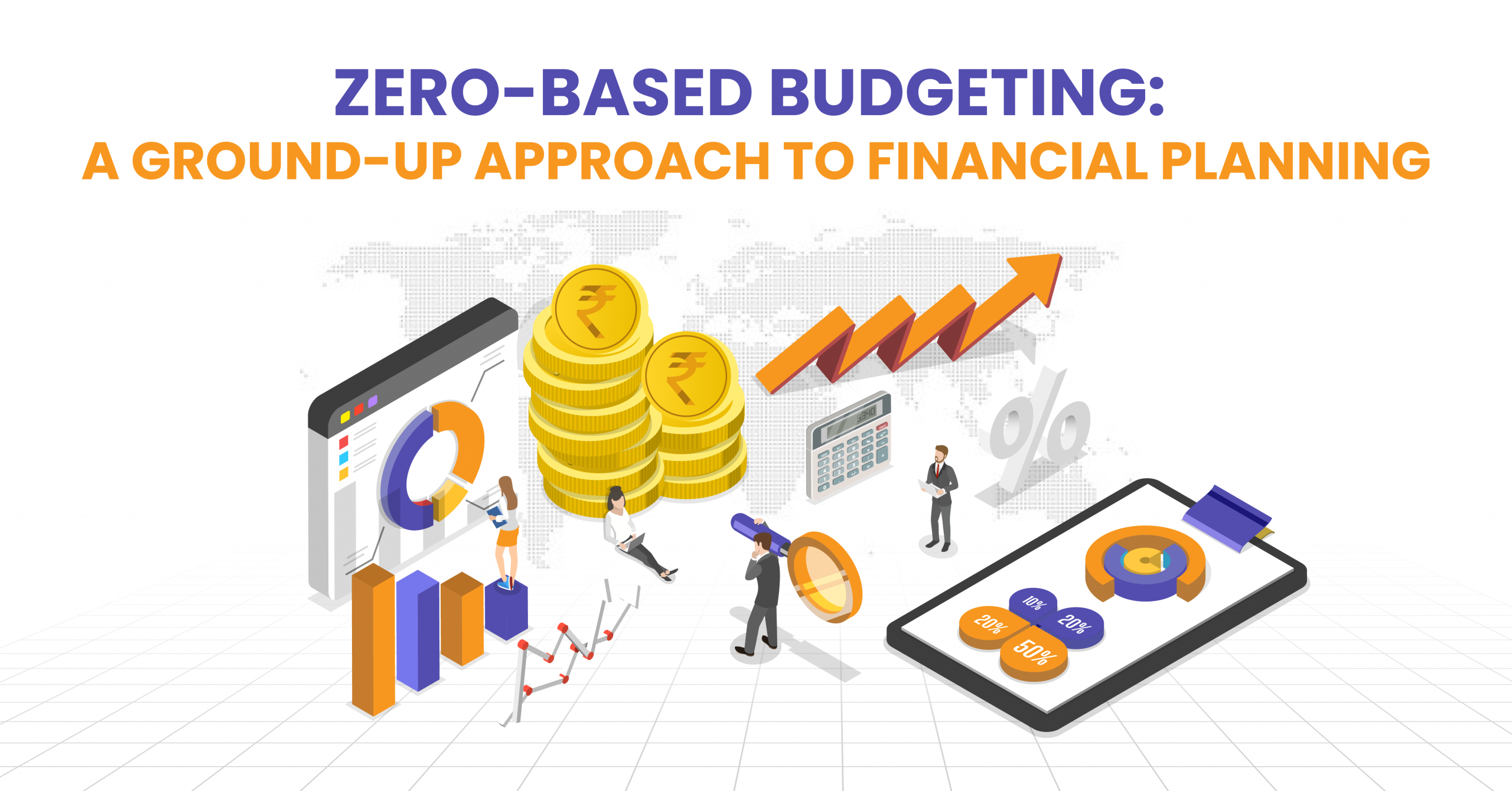
Zero-Based Budgeting: A Ground-Up Approach to Financial Planning
Introduction Zero-based Budgeting (ZBB) is an impact budgeting method that has gained global acclaim in the world of financial planning. Developed in the 1970s by business expert Peter Pyhrr, ZBB requires all expenses to be justified for each new period, rather than past budgets forming the basis of future spending patterns. Known for its “Start…
-

Saving and Investing: The Perfect Pair in Your Financial Journey
Introduction Though often used interchangeably, the terms savings and investing are fundamentally two different financial strategies. For many individuals, whether to put their hard-earned money on savings or investments is a perennial dilemma —like wondering whether to open a fixed deposit (FD) or invest in stocks and mutual funds. It is important to note that…
-

Hidden Expenses: The Silent Leaks That Drain Your Finances
It is not always the big-ticket expenses, but rather some unwarranted one-time or recurring costs that quietly drip away your money. These hidden expenses are the costs that mostly remain unnoticed during your routine transactions. When we take a deeper look, we often realise that these expenses are not always “invisible”; rather they hide behind…
-
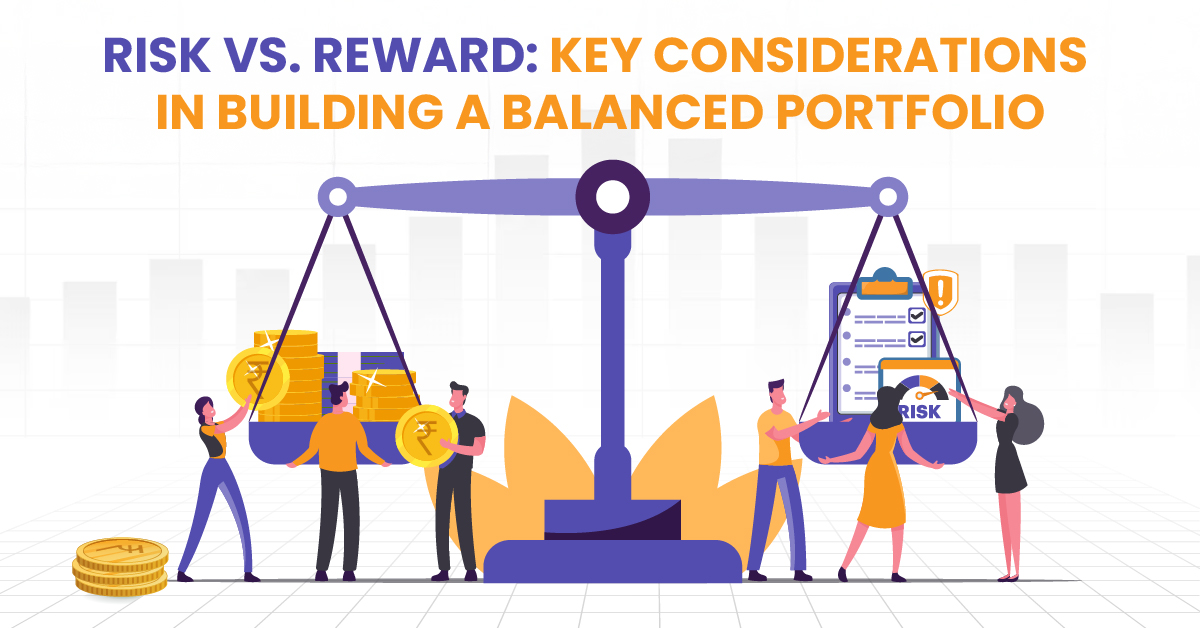
Risk vs. Reward: Key Considerations in Building a Balanced Portfolio
Introduction In today’s world of financial uncertainties, building a balanced investment portfolio is of paramount importance for every individual. A balanced portfolio is allocating your investments into different asset classes which aligns with your financial goals and risk appetites. Understanding the relationship between risk and reward is essential to take informed decisions in the financial…
-

Financial Literacy for Kids: Building the mindset Early in Life
Introduction In today’s fast-paced world, “Financial Literacy” is an important life skill that every kid should learn early in life. It is a broad term that involves realising the value of money, the importance of saving, skills of budgeting along with learning the nitty-gritties of financial planning. With digital finance becoming part of everyday life,…