Author: ITeCApp
-
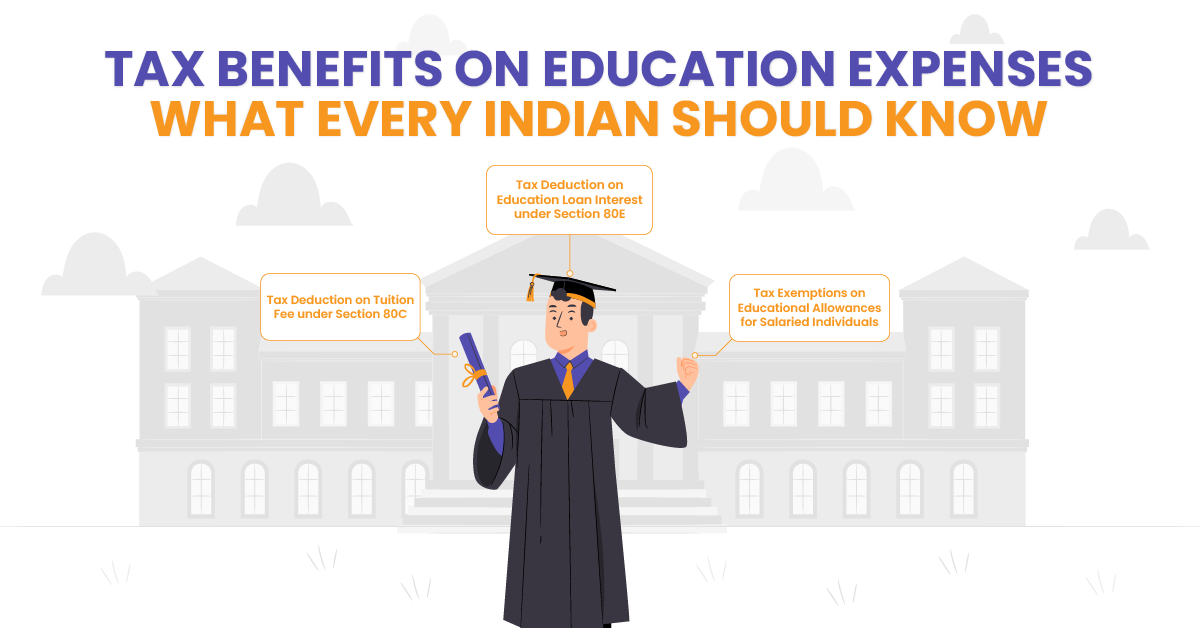
Tax Benefits on Education Expenses: What Every Indian Should Know
Education can very well be described as the most important aspect of human development and growth. Considering the importance of education in nation building and the financial burden it places, the Government of India provides several tax benefits on education expenses. In this article, let us delve into tax benefits available for Indian taxpayers for…
-
Mitigate Risks While Enjoying Tax Advantages – A Must-Know for Every Indian
Planning your finances and investments is not just about growing your wealth; it is also about safeguarding yourself and your loved ones from uncertainties during unforeseen events. Preparation for uncertain times is the key to successful financial planning. In continuation of our previous blog on various savings schemes for Indian taxpayers, here is our latest…
-

All You Need to Know About a Will
A “Will” is a legal document that allows individuals to decide the distribution of their assets after death. It acts as a directive and ensures a smooth transition of a deceased person’s (called the Testator) wealth and assets to the designated heirs, avoiding disputes and legal complications. In this blog, let us discuss the crucial…
-

TDS on Remuneration to Partners – New Compliance Under Section 194T
Introduction Section 194T of the Income Tax Act 1961 entails a new TDS (Tax Deducted at Source) provision on the payments to the partners of a partnership firms and LLPs. Payment in the nature of salary, remuneration, commission, bonuses or interest by a firm to their partners, and such payments, if exceeding INR 20,000 in…
-
Tax comparison – Old vs New Regime at different Income Levels (Essential Guide to Individual Taxation Part III)
Building on our previous blogs, which covered tax slabs and key provisions, this post focuses on tax positions across different income levels. In the presence of both old and new regimes, it becomes important to evaluate in choosing the best regime based on specific individual circumstances. The tables below show tax liabilities under both the…
-
All you need to know before opting for the New Regime (Essential guide to individual taxation Part II)
Introduction Building on our previous blog, where we provided income tax slabs and key components of tax computation, this post will take a closer look at some of the key provisions. These points will help you understand their impact and how they fit into the tax framework. Key considerations before opting for the New Regime …
-
A Guide to Individual Taxation for FY 2024-25 and FY 2025-26 with Insights from Budget 2025 – Part I
Overview The Union Budget 2025, significant revisions to the income tax slabs under the new regime. These revisions are targeted at reducing the financial burden on the taxpayers and boosting overall consumption in the economy. However, many are uncertain about the implications of these changes. This blog serves as an essential reference guide for FY…
-
Emergency Funds – Your Financial Cushion to Navigate Uncertainty
Life is unpredictable, and unexpected needs can arise at any time. Neeta, a corporate employee and the sole breadwinner of her family, faced a crisis when her daughter Supriya fell critically ill. Unable to work for months, she struggled to manage her routine expenses like groceries, EMIs, utility bills, etc. while also bearing the additional…
-
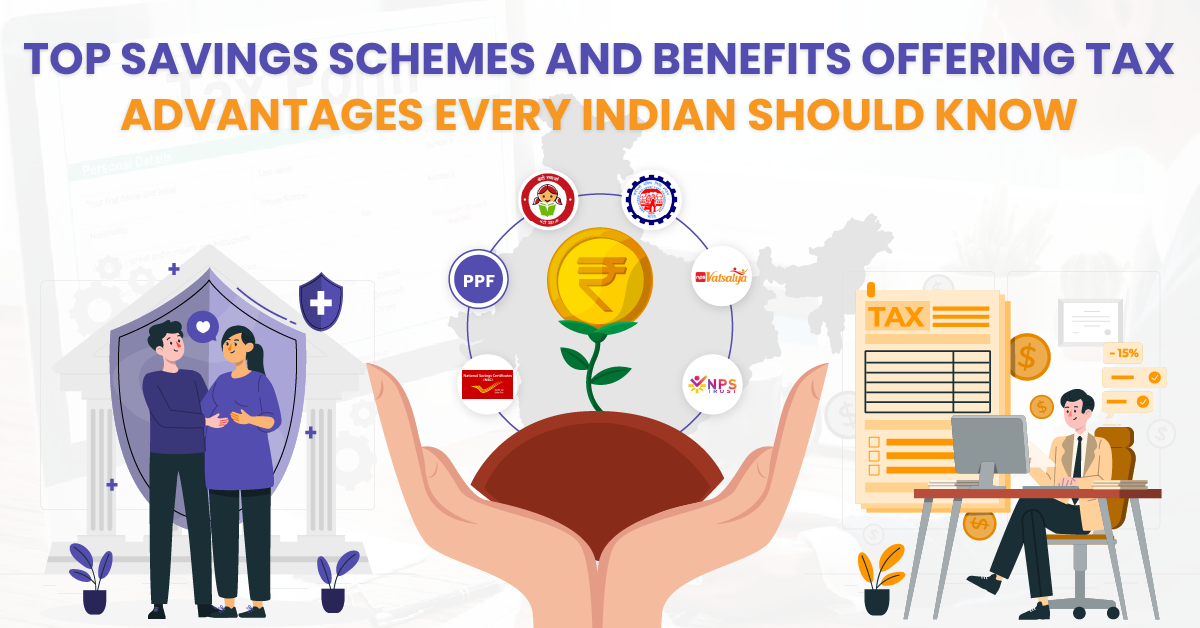
Top Savings Schemes and Benefits Offering Tax Advantages Every Indian Should Know
The Government of India has periodically introduced various schemes aimed at social security and savings opportunities to achieve financial goals and improve standard of living. Let’s take a quick look at some of these schemes that every Indian taxpayer should be familiar with, enabling them to make informed decisions about savings while easing the impact…
-

Why Do You Need a Personal Finance Manager?
In today’s fast paced life and evolving economic scenario, effective management of personal finances has become critical for every individual. Personal finance is an umbrella term that comprises various aspects of an individual’s finances, and a Personal Finance Manager (PFM) is the one responsible for managing your finances effectively and efficiently. The role of a…