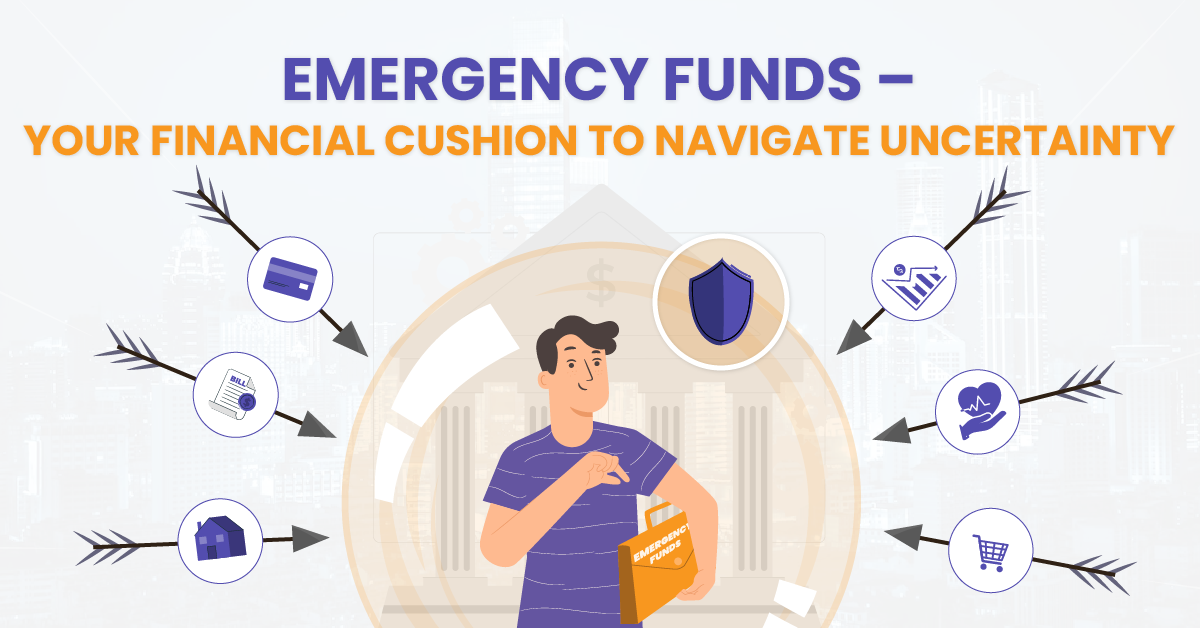
Life is unpredictable, and unexpected needs can arise at any time. Neeta, a corporate employee and the sole breadwinner of her family, faced a crisis when her daughter Supriya fell critically ill. Unable to work for months, she struggled to manage her routine expenses like groceries, EMIs, utility bills, etc. while also bearing the additional burden of medical costs. She had, of course, made investments for her future, but most were tied up in assets that would take time to liquidate, leaving her uncertain about how to cope! Alongside the emotional turmoil, the added financial stress became overwhelming
Wouldn’t a stopgap fund have significantly eased Neeta’s financial burden?
Whether it’s a natural disaster, economic crisis, pandemic, or a personal situation requiring a shift in priorities like the one mentioned above, being financially prepared for uncertainties is crucial for all of us to sustain.
Emergency Fund – The Safety net
An emergency fund provides a financial buffer for uncertainties, ensuring quick access to cash when needed. It goes beyond insurance coverage (which might have limits and may not supply all your payouts), covering essential expenses during sudden financial strain. By preventing the need for high-interest debt or liquidation of valuable assets, it acts as a crucial safety net for financial stability.
How to Calculate the Emergency Funds?
An ideal emergency fund should cover 6 to 12 months of expenses, though there is no thumb rule as such. It depends on your comfort level and the risks you want to account for. It should include essential costs such as basic living expenses, EMIs, insurance premiums, and a reserve for any urgent one-time needs.
Where To Keep Emergency Funds?
You should keep a portion of your emergency fund in cash or easily accessible savings accounts, while the rest can be allocated to low-risk debt mutual funds, sweep-in FDs, or similar instruments that offer liquidity when needed.
Essential Points to Keep in Mind
Digital Accessibility
An emergency fund should be digitally accessible to ensure quick and seamless withdrawals during emergencies. Having a portion available in physical form can also be helpful for unforeseen situations where digital access may be limited.
Focus on Liquidity
You should always keep in mind that emergency funds are not meant for wealth creation and returns naturally take a back seat when compared to your other investments. The primary focus should always be on liquidity and easy accessibility rather than potential gains.
Avoid Binding Features
Emergency funds should be free from lock-in periods and premature withdrawals constraints. Such conditions defeat the purpose of having an emergency fund.
Not a Replacement for Insurance Coverages
Emergency funds do not replace insurance coverage. While insurance involves risk pooling, where small premiums are paid for potentially large payouts, an emergency fund serves as a stopgap to manage immediate financial needs. It is a supplement, not an alternative, to insurance plans.
Conclusion
Building and keeping your emergency funds ready is crucial for your own financial security and stability. It acts as the much-needed financial cushion required to sustain yourself in crisis situations. By prioritizing your investments in emergency funds, you can safeguard yourself and your loved ones from unforeseen financial hardships.
Contributors:
CA N Srilatha Bhat – LinkedIn
Kuldeep Sarma – LinkedIn
Leave a Reply